
Simone Vebber: Organ Journeys from Baroque to the 20th Century
Details
This program proposes a journey through different periods and languages of organ literature, from the Baroque to the 20th century, highlighting the extraordinary capacity of the instrument to take on orchestral functions and colors. The music of Johann Sebastian Bach, François Couperin, Wolfgang Amadeus Mozart, Camille Saint-Saëns, Polibio Fumagalli, and Olivier Messiaen makes it possible to follow the evolution of this conception through very different styles. The journey begins with Bach and his concertante conception, continues with the refined timbral architecture of the French organ of Couperin and with the variety of Mozartian transformations. With Saint-Saëns, we encounter the Romantic interest in popular melody and in the rhapsodic possibilities of the instrument, while Fumagalli’s works reflect the progressive transformation of the Italian organ into an instrument of almost orchestral dimension, both in terms of its timbral resources and the evolution of its repertoire. The program culminates with Messiaen, whose writing leads the relationship between organ, timbre, and sound architecture into a completely new dimension. More than a simple succession of works, the program thus proposes a journey through different ways of conceiving the organ: as a concertante instrument, as an array of colors, as an orchestra at the keyboard, and finally as an autonomous sound universe. Program notes The program offers a journey through the history of the organ, also following the progressive expansion of the instrument’s timbral and rhetorical possibilities. The guiding thread is not only chronological succession, but also the relationship between the organ and the idea of orchestra: from the polyphony and concertante conception of Bach to the variety of French jeux, through the symphonic conception of the 19th-century organ and Messiaen’s exploration of timbre. The Sinfonia from the Cantata Wir müssen durch viel Trübsal in das Reich Gottes eingehen, BWV 146, by Johann Sebastian Bach occupies a special place in the history of transcription. This piece, originally conceived as the instrumental introduction to the cantata, is in fact a reworking of the first movement of the Concerto for Harpsichord and Orchestra in D minor, BWV 1052. Simone Vebber’s transcription for organ thus gives back to the instrument a music which, already at its origin, presents a marked concertante conception. The organ takes on the role of soloist, while the orchestral writing is absorbed into the stratification of the different parts and into the possibility of differentiating stops and sound planes. The result highlights one of the deepest characteristics of Bach’s aesthetic: the ability to transfer the same musical idea from one instrumental formation to another without losing its structure, yet radically changing its sonic perspective. With the Offertoire sur les grands jeux from the Messe pour les Couvents by François Couperin, we enter the tradition of the French liturgical organ. Here, registration is not a simple coloristic element, but an integral part of the composition. The indication sur les grands jeux refers to one of the characteristic timbral devices of the French classical organ, based on the combination of reeds with foundation stops and plein jeux. The writing is therefore inseparable from the sound layout of the instrument and from the logic of contrasts between timbral masses. Compared with Bach’s conception, the musical discourse is organized less around the dialectic of counterpoint and more through the succession and superimposition of timbral planes, according to a true rhetoric of registration. The 12 Variations on “Ah, vous dirai-je, Maman”, K. 265, by Wolfgang Amadeus Mozart, in the organ transcription by Simone Vebber, introduce another type of relationship between musical material and instrument. The theme, extremely simple and famous even beyond the classical repertoire, is subjected to a series of transformations that progressively modify the rhythm, figuration, articulation, and texture. In its adaptation for organ, the succession of variations also makes it possible to highlight the plurality of stops and timbral combinations, transforming a piece conceived for keyboard instrument into a journey through different sound characters. Camille Saint-Saëns composed three Rapsodies sur des cantiques bretons, published as Op. 7; the one presented in this program is the third, in A minor. The reference to popular Breton melodies places the work in the 19th-century context of rediscovery and appreciation of regional musical traditions. The rhapsodic form allows Saint-Saëns to develop the melodic material through contrasting episodes, exploiting the organ not only for its sonic power, but above all for the possibility of constructing a true orchestral architecture through registration, dynamics, and changes of character. The three compositions by Polibio Fumagalli – Capriccio, Op. 257 “La Caccia”, Elegia, Op. 294 No. 3, and Alleluja, Op. 235 – take us to the heart of 19th-century Italian organ culture. In this period, the Italian organ progressively tends to take on an almost orchestral function, both because of the evolution of its timbral characteristics and the transformation of its repertoire. The introduction and development of stops capable of imitating orchestral instruments, the more articulated use of crescendos and timbral combinations and, above all, the influence of operatic and symphonic language profoundly transform organ writing. In Fumagalli, this dimension is manifested in the variety of characters: the brilliant and descriptive figuration of La Caccia, the intimate lyricism of the Elegia, and the celebratory impetus of the Alleluja all belong to a conception of the instrument in which the organist effectively becomes an orchestrator at the keyboard. With Olivier Messiaen, the relationship between organ and timbre reaches a completely new dimension. Dieu parmi nous, the concluding piece of La Nativité du Seigneur, belongs to a collection composed in 1935 and dedicated to the mysteries of the Nativity. The very title, “God among us,” indicates the theological center of the piece. Messiaen’s organ writing translates this content into a sound construction of enormous density: chords, ostinatos, registrations, and harmonic progressions all contribute to representing a presence that manifests itself through sound. The conclusion of the program thus brings to its ultimate consequences the relationship between organ and orchestra that has run through the entire itinerary: it is no longer a matter of imitating the orchestra, but of creating an autonomous timbral universe in which registration becomes an integral part of the musical form itself.
You may also like
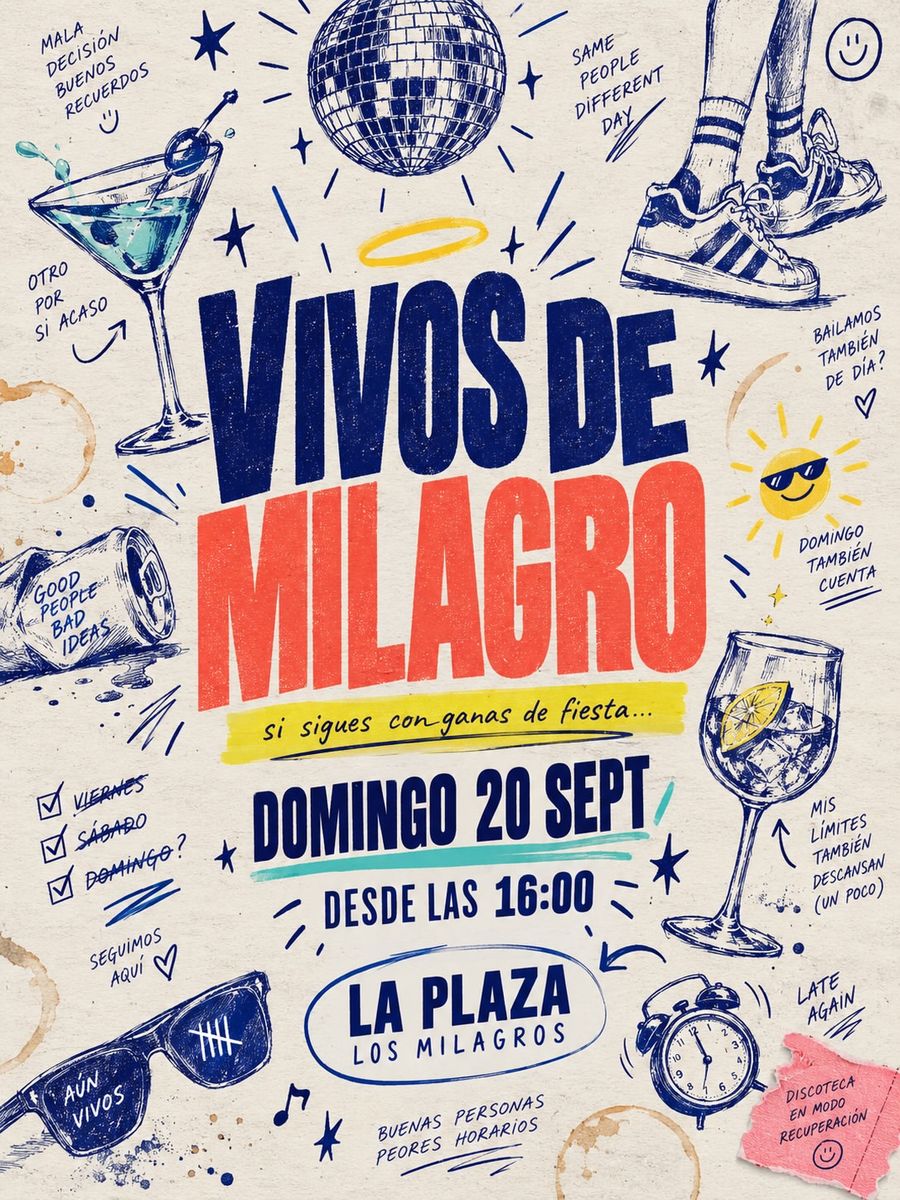
Vivos de Milagro: Sunday House Session
After a long weekend, the party continues with a single 4‑hour house music set, cocktails and a laid‑back crowd ready to stretch Sunday a little longer.
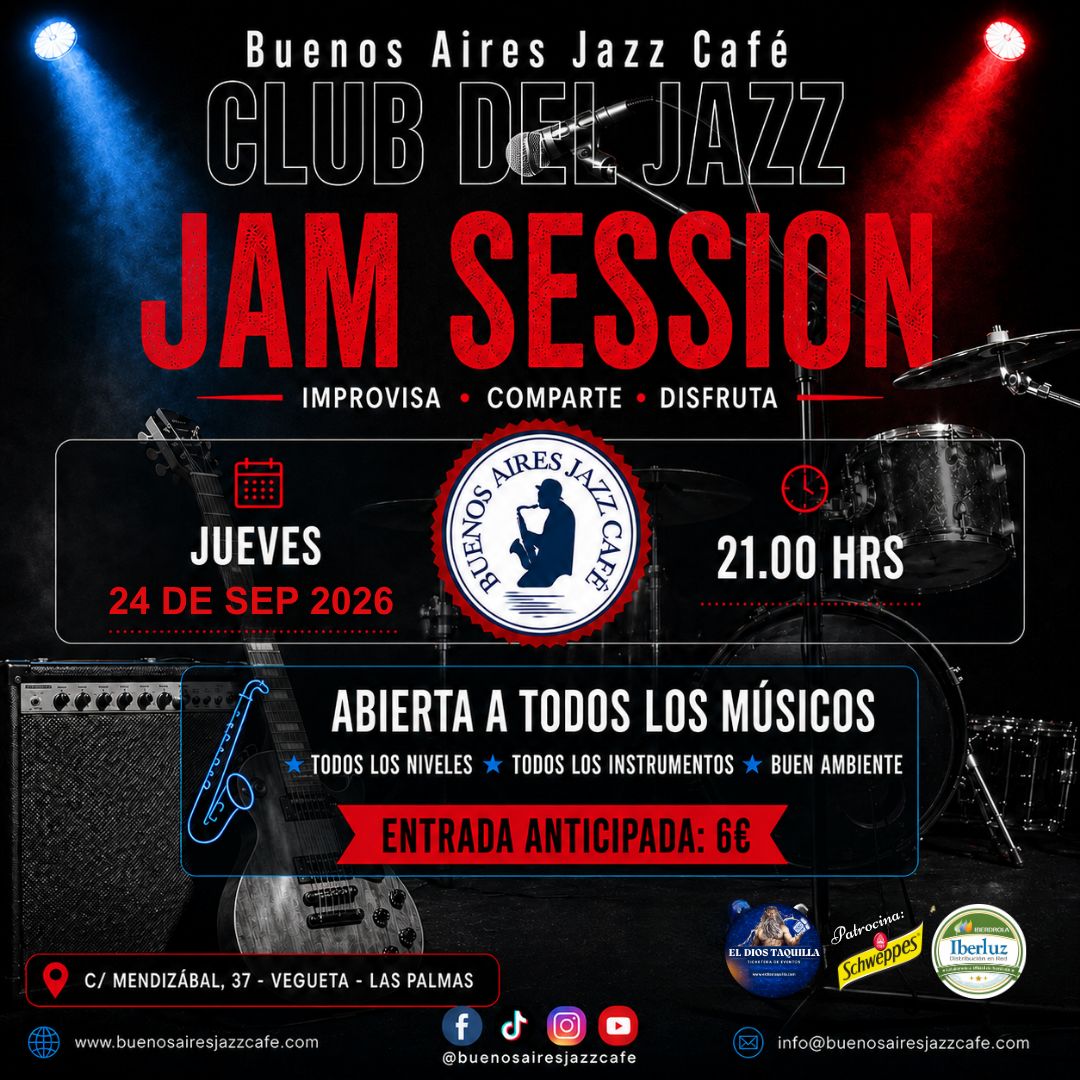
Jam Session at Buenos Aires Jazz Café
Live improvisation fills the night as musicians share the stage with varied styles and spontaneous collaborations in an intimate jazz café atmosphere.
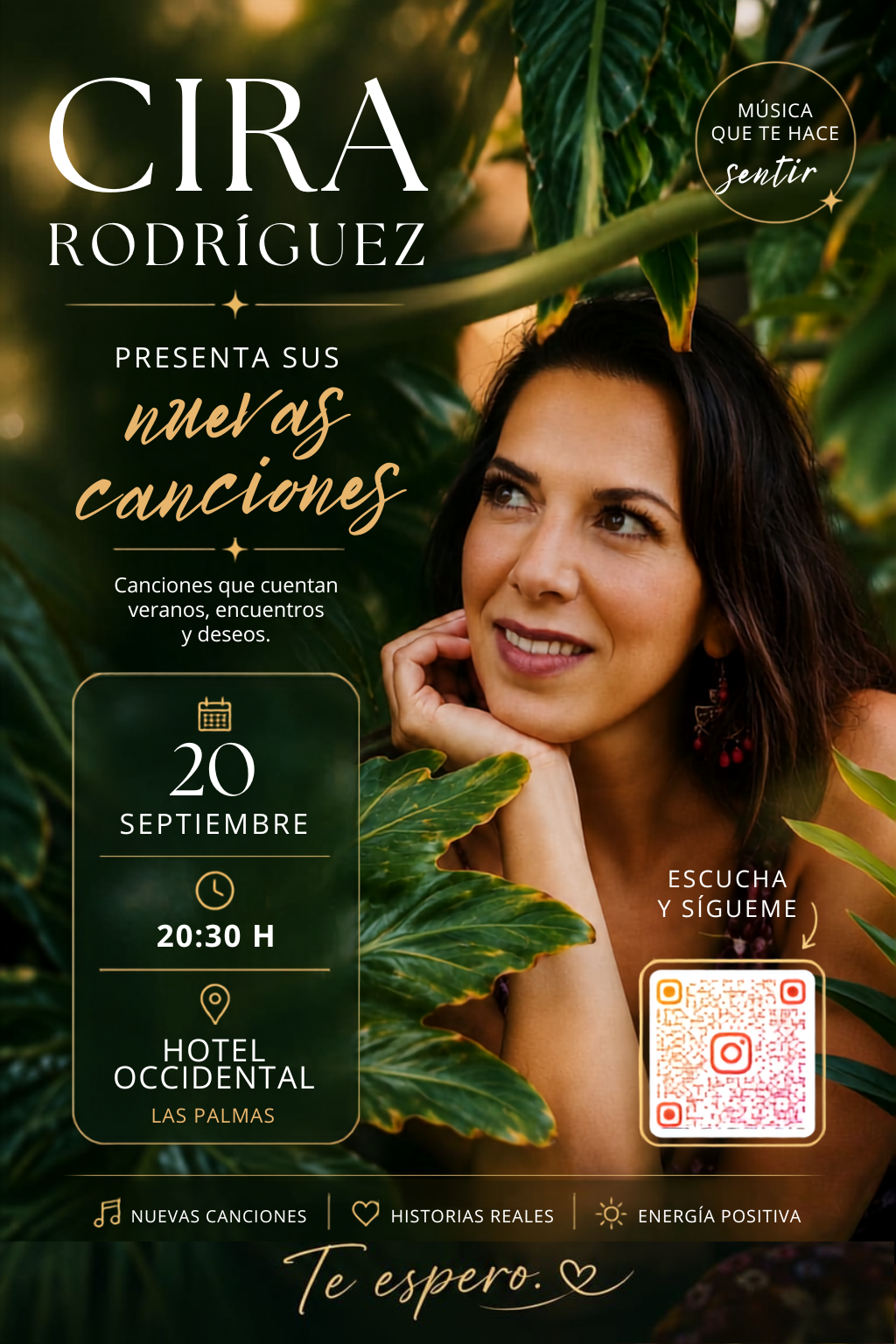
Cira in Latin Mode
Fresh Latin-flavored tracks by Cira set the tone for a vibrant night of dancing and new music, perfect for fans of contemporary Latin sounds.

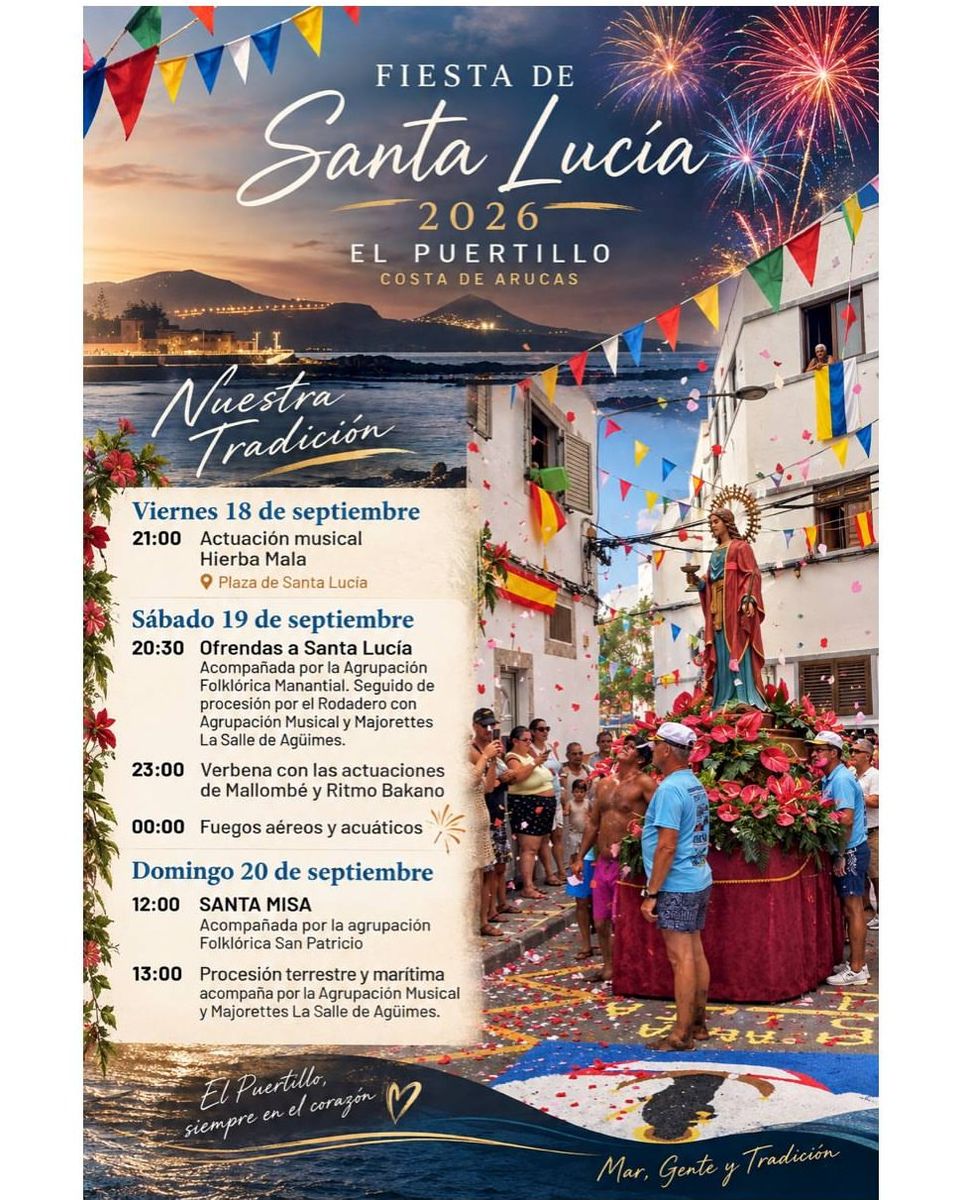
Aerial and Aquatic Fireworks Show for Santa Lucía
Midnight fireworks display over sea and sky, with aerial and aquatic effects creating a dramatic finale to the Saturday of El Puertillo’s Santa Lucía fiestas.
Terrestrial and Maritime Procession of Santa Lucía
Iconic land and sea procession with music and majorettes accompanying the image of Santa Lucía along the coast and streets of El Puertillo.
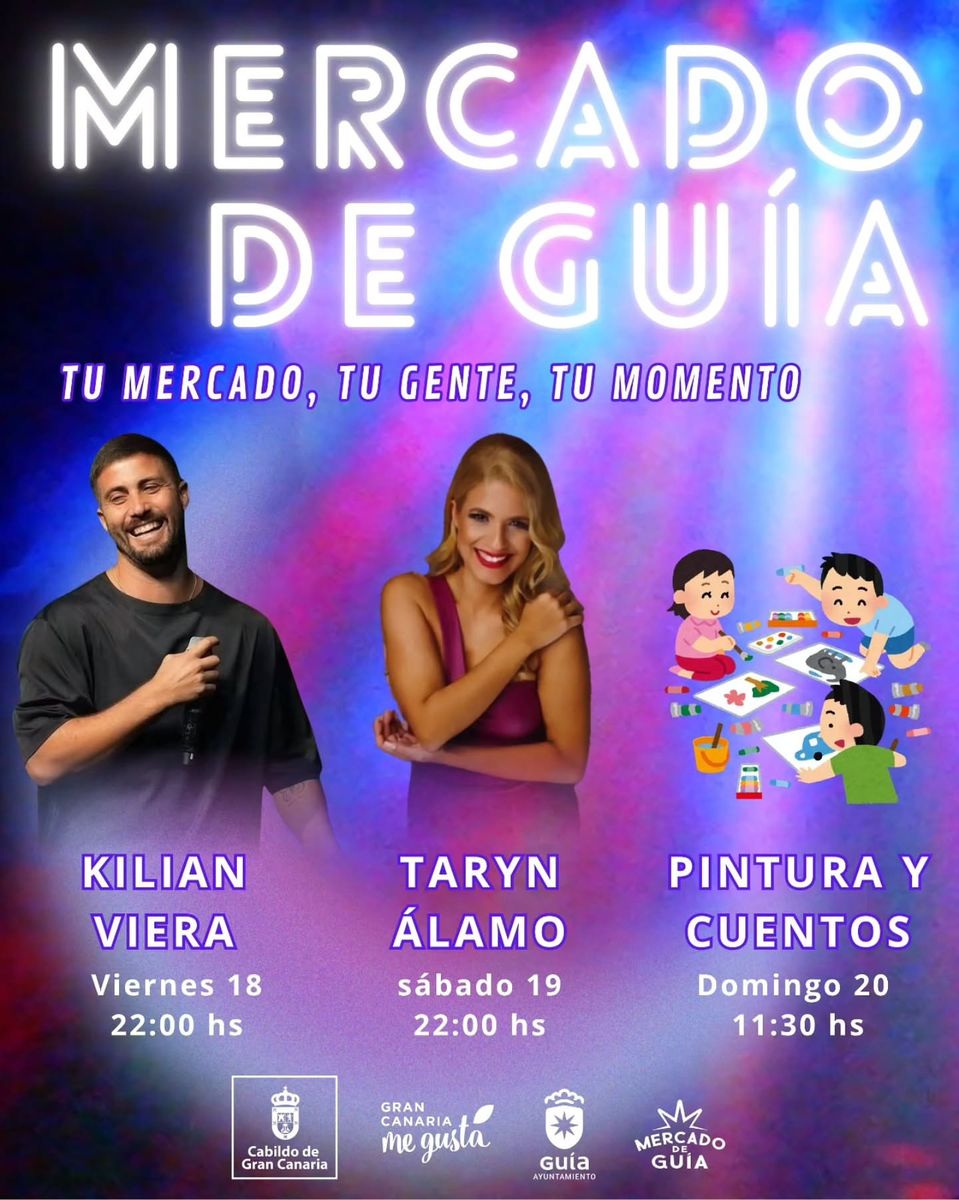
Painting and Stories for Kids at Mercado de Guía
Creative Sunday activity where children explore painting and storytelling, letting imagination fly in a playful setting ideal for families.